Secure NFC vs Standard NFC: The Owner Experience Where Tagging Works Like a Login
A breakdown of the difference between standard NFC and secure NFC from a brand goods and event perspective. Explains how secure NFC creates UID-based data storage, loginless user recognition, personalized content, ownership, and customer loyalty — with real portfolio case studies.
The core of secure NFC isn't "technology that sends you to a different URL" — it's creating an experience where the goods you own remember you, even when you enter through the same door.
What's the Difference Between Standard NFC and Secure NFC?
The simplest way to put it:
Standard NFC is a connection. Secure NFC is a connection that remembers your state.
Standard NFC opens a predetermined URL when a smartphone tags it. It's ideal for content where everyone seeing the same screen is fine — a brand homepage, a campaign page, product instructions, or event information. Think of it as holding your phone near something instead of scanning a QR code.
Secure NFC also feels like opening a URL from the user's perspective. The difference comes after. Based on the unique value of the tagged NFC, it retrieves stored user information from the database and shows a different state within the same content depending on that information. The user hasn't registered an account or entered a username and password — but the moment they tag, the service recognizes "the person who entered with this goods before."
That's why secure NFC shouldn't be seen purely as a link-sharing prevention feature. What matters more is the experience of being remembered even when entering through the same door, and a state that accumulates only for the person who owns the goods.
Standard NFC Is the Shortest Path to Content You Already Have
Standard NFC has a simple structure.
The flow is straightforward: a user tags the NFC, a pre-designated URL opens, and the same content is shown to all users. Because the content doesn't remember who entered, tagging again next time starts fresh, like a new visitor.
This approach is fast and reliable. When a user tags, the brand's designated page opens immediately. If the content is fine with the URL being shared, standard NFC is the most efficient option.
Situations where standard NFC works well:
| Situation | Why Standard NFC Fits |
|---|---|
| Linking to brand homepage | A public page that anyone can access |
| Campaign announcements | The goal is for many people to see the same information |
| Product instructions | Anyone should be able to check before or after purchase |
| Store / event information | Quick information delivery matters more than personalization |
| Connecting to existing external content | Just sending to an existing URL is all that's needed |
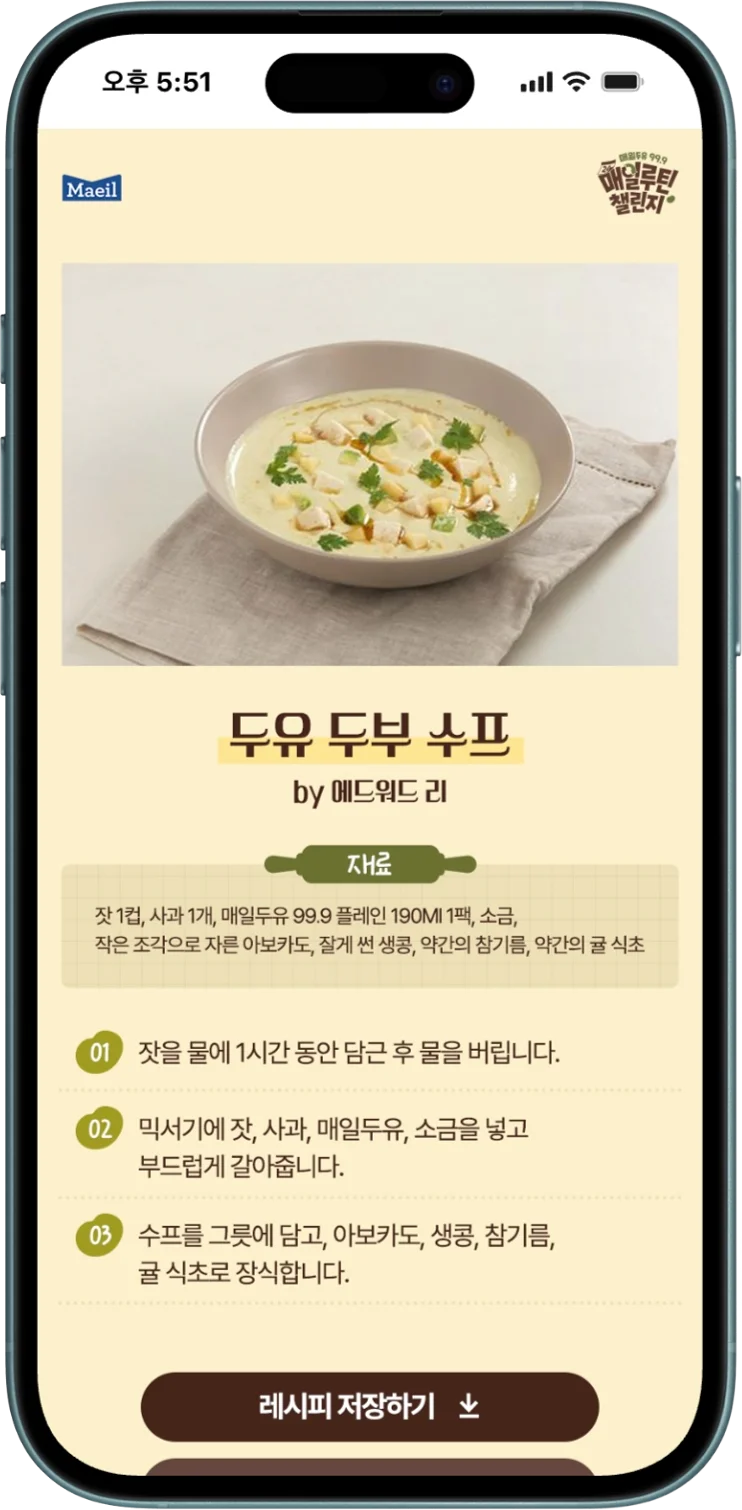
For example, the Maeil Soy Milk NFC PVC keyring connects to a recipe page every time it's tagged. The content is about enjoying Maeil Soy Milk more deliciously — information that's better the more people see it. In a case like this, a standard NFC flow that anyone can easily open is more natural than restricting access.

If the content is fine being public, standard NFC is the simplest and most efficient option.
Secure NFC: The Tag Becomes a Key
Secure NFC isn't difficult from the user's perspective. You just hold your phone close, the same as always. The difference happens on the backend.
The flow is slightly different: a user tags the NFC, the service checks the NFC's unique value, retrieves records linked to that NFC from the database, and then shows content matching the stored state.
This is where the NFC's UID becomes important. Depending on the project structure, using the NFC's unique identifier as a key allows records to be stored per NFC in the database. On the next tag, instead of starting as a new visitor, the system can retrieve the name previously entered, the character selected, the accumulated score, and the in-progress state.
There's no login screen. No username. No password. But when users tag again, they feel "my records carry over." If they entered their name yesterday, today can start with "Welcome back, [Name]" instead of asking again. The act of tagging works just like logging in.
The difference this structure creates is significant.
| Standard NFC | Secure NFC | |
|---|---|---|
| User Recognition | Starts as a new visitor each time (by NFC) | Recognizes the same owner again based on NFC unique value |
| Content Access | Same URL opens, but no stored state | Same URL, but content differs based on stored information |
| Data Storage | Typically focused on page visit data | Can store name, settings, score, history, progress state per NFC |
| Return Experience | Feels like starting from scratch each time | Feels like previous state continues when tagging again |
| Brand Effect | Fast information delivery | Ownership, relationship, repeat use, customer loyalty |
The strength of secure NFC lies not in "being able to block" but in "being able to remember." Customers don't just own the goods — they feel that their state and records are connected inside it.
Think of a Tamagotchi-style experience to see the difference clearly. With standard NFC, every tag enters as a new visitor, so you'd always start raising it from an egg. With secure NFC, the tagged NFC is used as a key to retrieve the character's name, growth stage, obtained items, and remaining missions from last time. It's the same content being entered, but the experience the user sees is completely different.
DONDONZ Diary: The Plush Becomes Your Personal Record Space
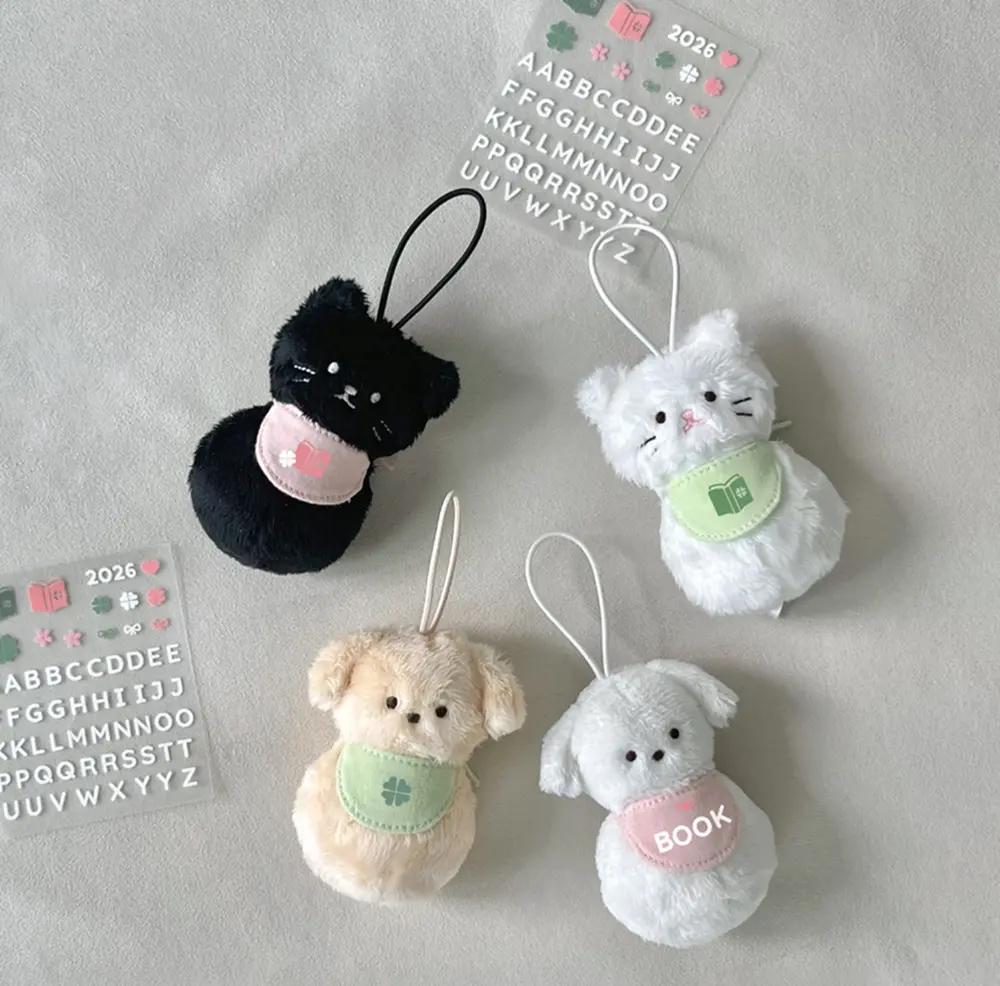
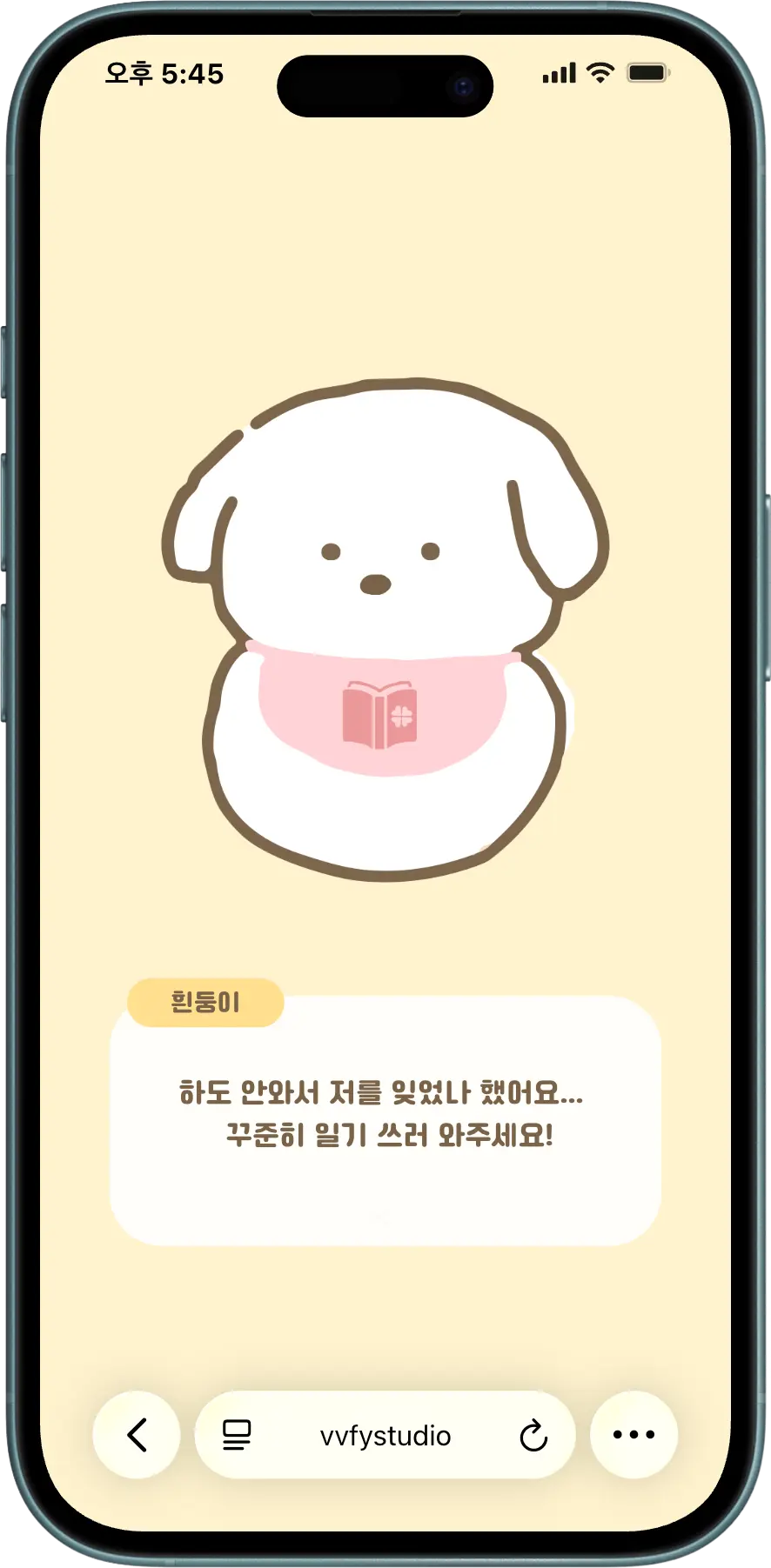
The DONDONZ Diary NFC plush doll is the case that best illustrates the meaning of secure NFC. Users tag the doll, have a conversation with the DONDONZ character, and write their daily story as a diary entry. What matters is that this conversation isn't a page that opens once and ends.
The NFC embedded in the doll functions like an entrance to the user's personal space. The person who tags accesses their diary archive and continues their previous conversation thread and records. Without any actual login process, users feel "this doll remembers me."
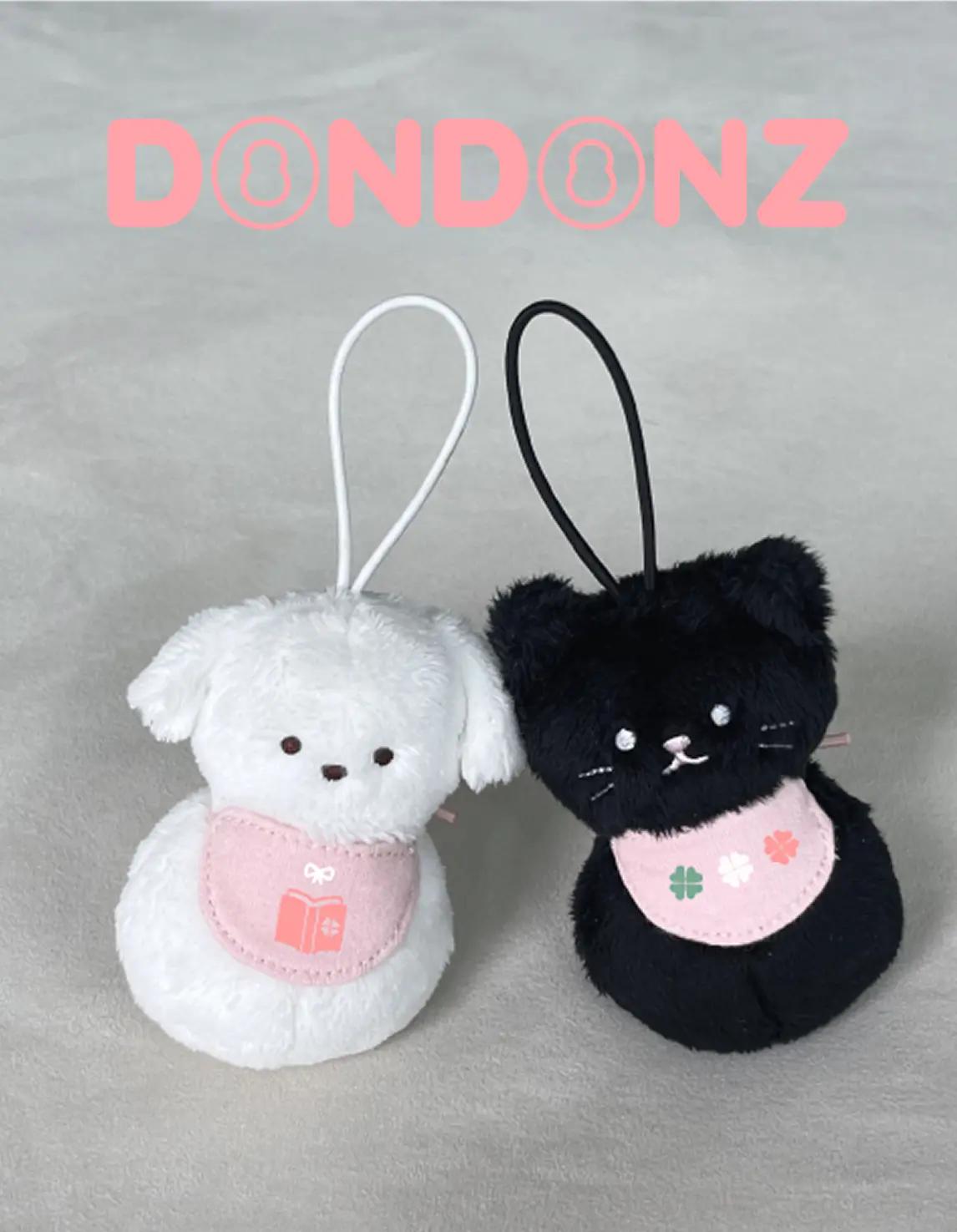
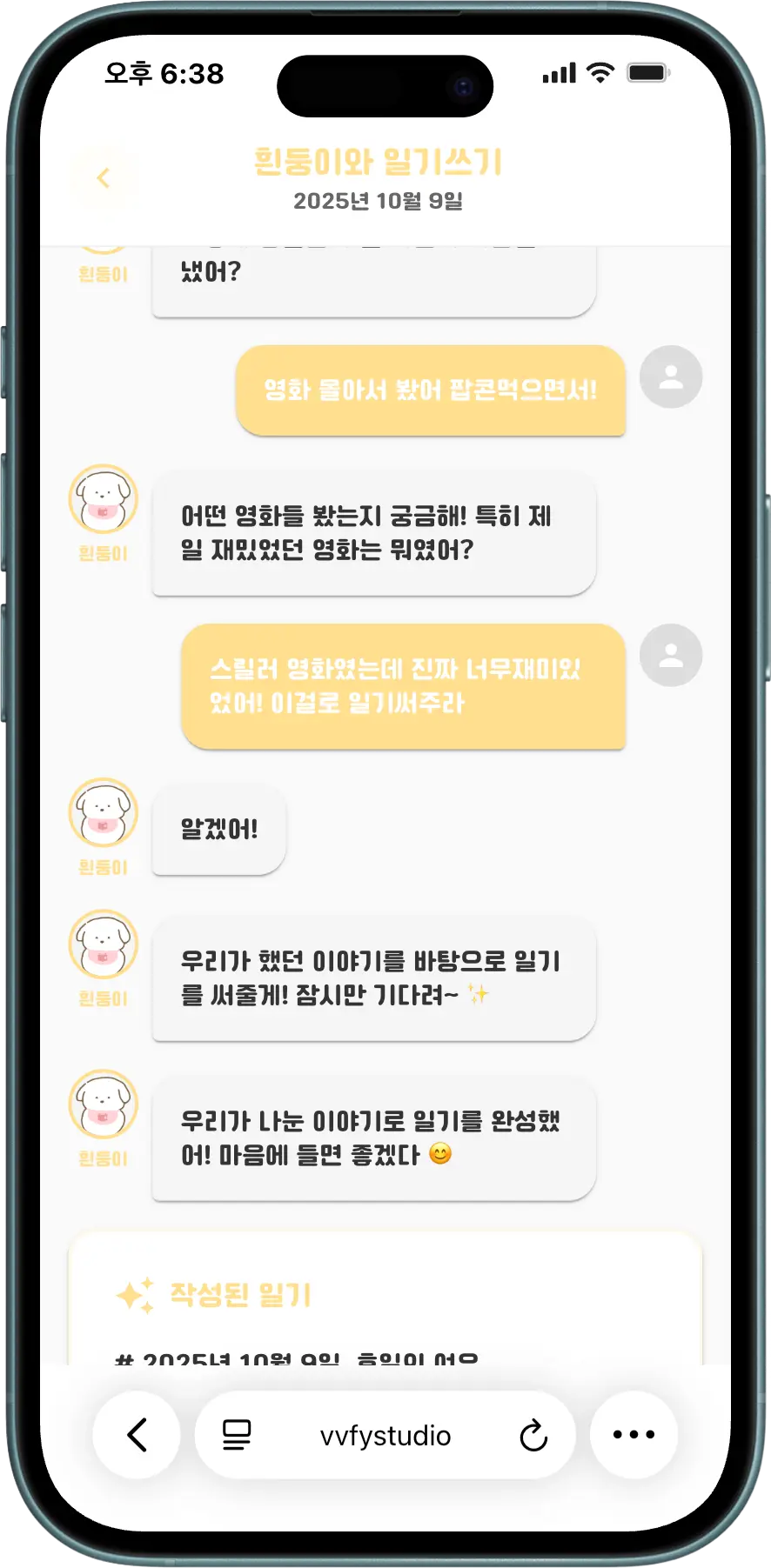
In this kind of experience, the NFC isn't just a link. It's a personal key that connects the doll to the user's records. For the brand, it creates a reason for customers to keep tagging even after purchasing the product. For customers, it makes the goods feel like "mine."
This is where secure NFC connects to customer loyalty. Not giving a one-time benefit, but making the customer's records and relationship continue inside the goods.
B2ANG Tap Tap Keyring: The Character Can Remember Previous Context
What matters in character IP is tone of voice and relationship. Even the same function becomes a completely different experience when delivered by a character you love. Add secure NFC and data storage to that, and the character stops being a page you encounter for the first time each visit — it becomes an interaction that continues with you.
The B2ANG Tap Tap NFC keyring is content designed so that when a user inputs a worry, they can hear the answer in B2ANG's voice. In a structure like this, more personal experiences can be built based on the user's name, previous questions, selection history, and content consumption flow.
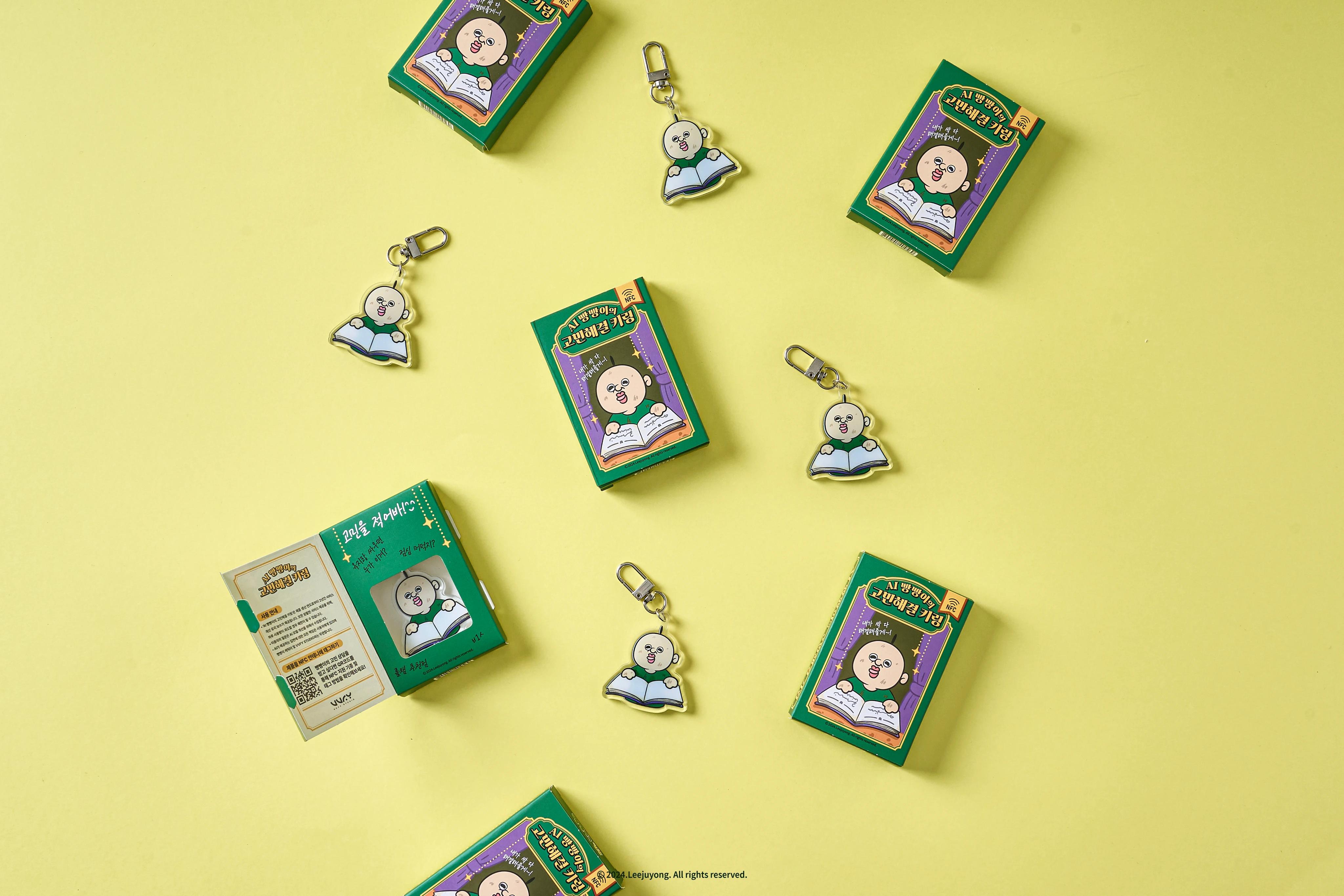
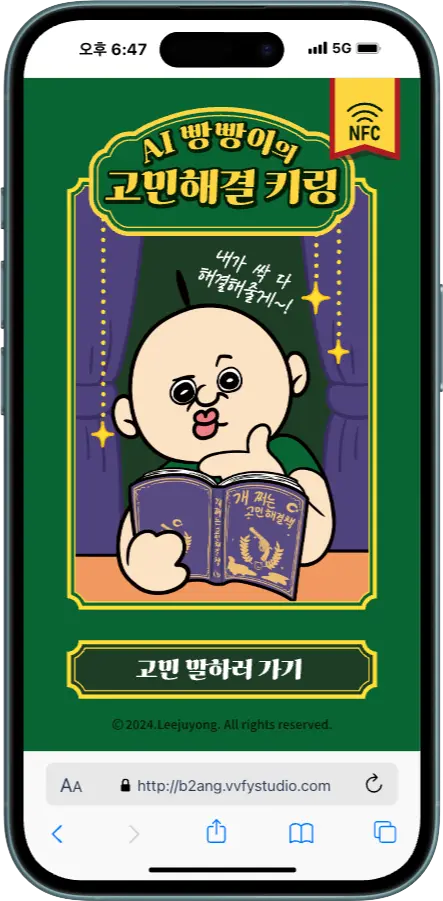
What the brand gains isn't just a view count. It can understand which character experiences customers repeat, which content they reopen, where they drop off, and which flows create a sense of ownership. Customers reconnect with the character every time they see the keyring, and through that process, the emotional distance from the brand closes too.
Tarot Cat: Past Tarot Readings and Card Collections Carry Over
The difference with secure NFC becomes even clearer with the Tarot Cat NFC keyring. Users tag the cat plush keyring, input a worry to Tarot Cat, and select a card. Up to that point, standard NFC could also create "the experience of opening a tarot page."
But with secure NFC, the tagged keyring becomes the user's key. Selected tarot cards are saved as a collection, and Tarot Cat can remember previous results and naturally continue from them in the next conversation. Instead of meeting a first-time visitor every session, the character knows what worries were shared last time and which cards were drawn.
Another important element is the joy of collecting. Users don't lose a card once they've drawn it — they can check the cards they've drawn again in their collection. As cards accumulate, it goes beyond just seeing a tarot result: "the cards I've collected with my keyring" come into existence, and they start anticipating what cards they might collect next. Because secure NFC carries the record forward, the content itself transforms into a small collecting experience.
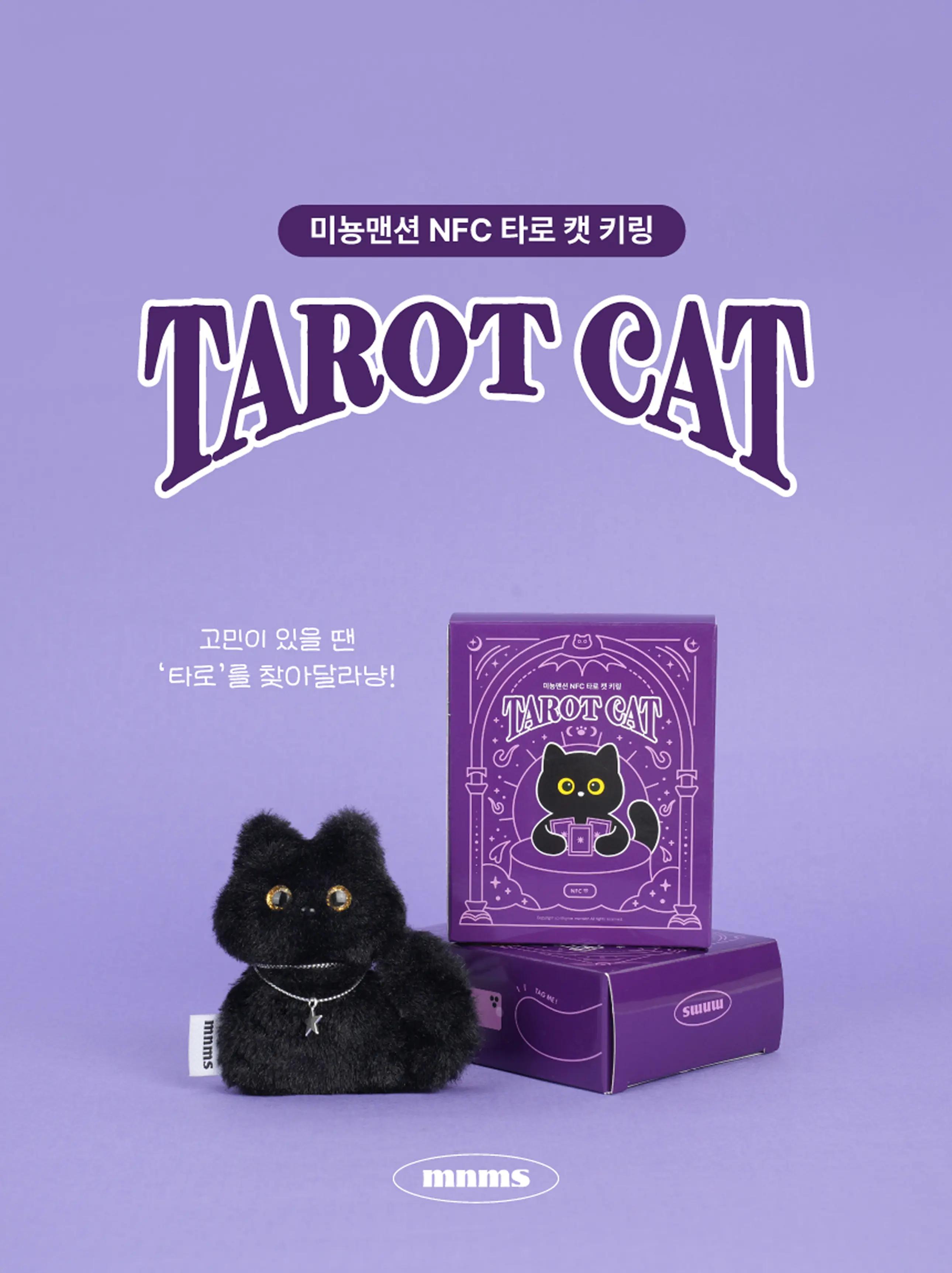
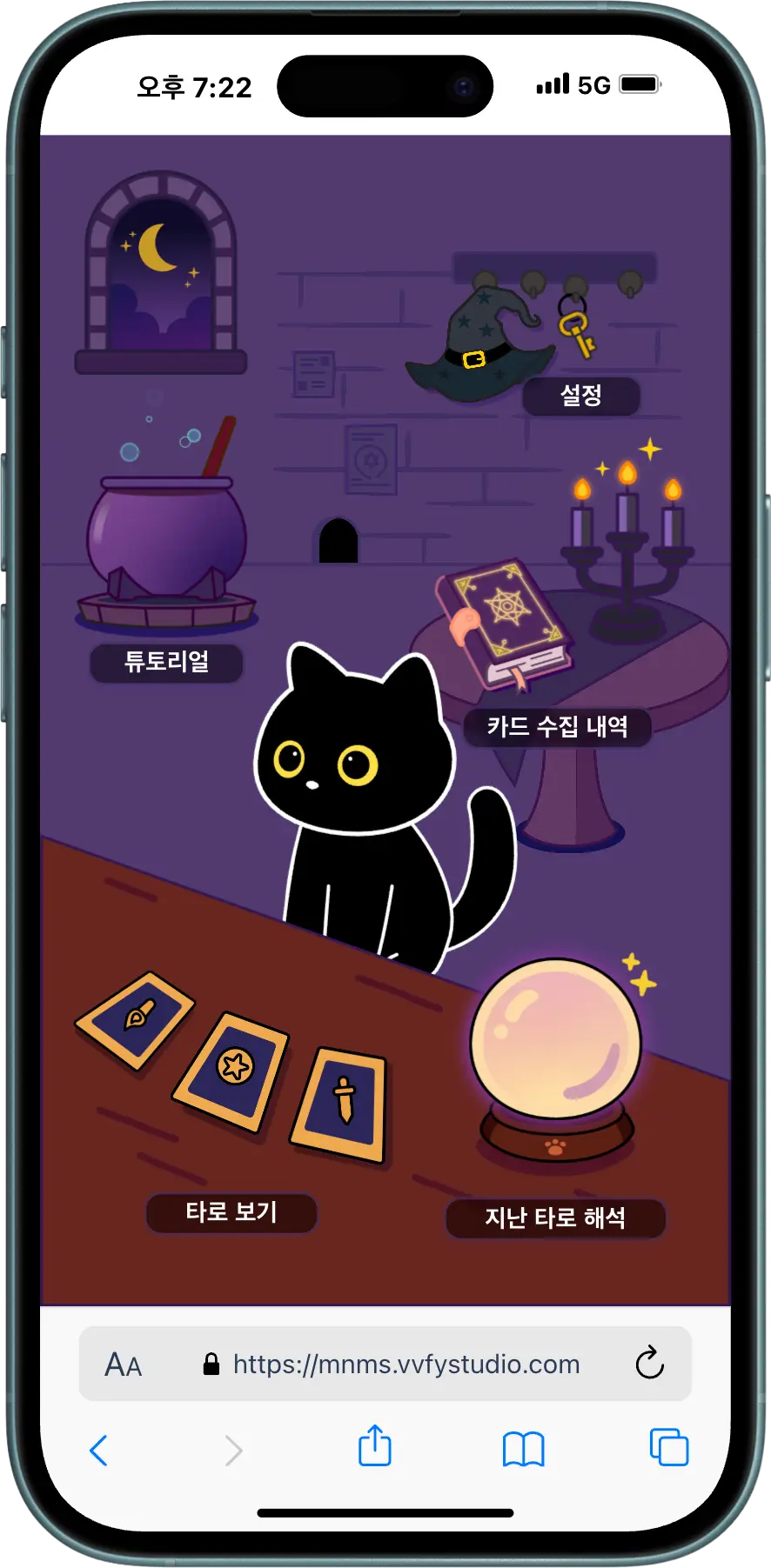
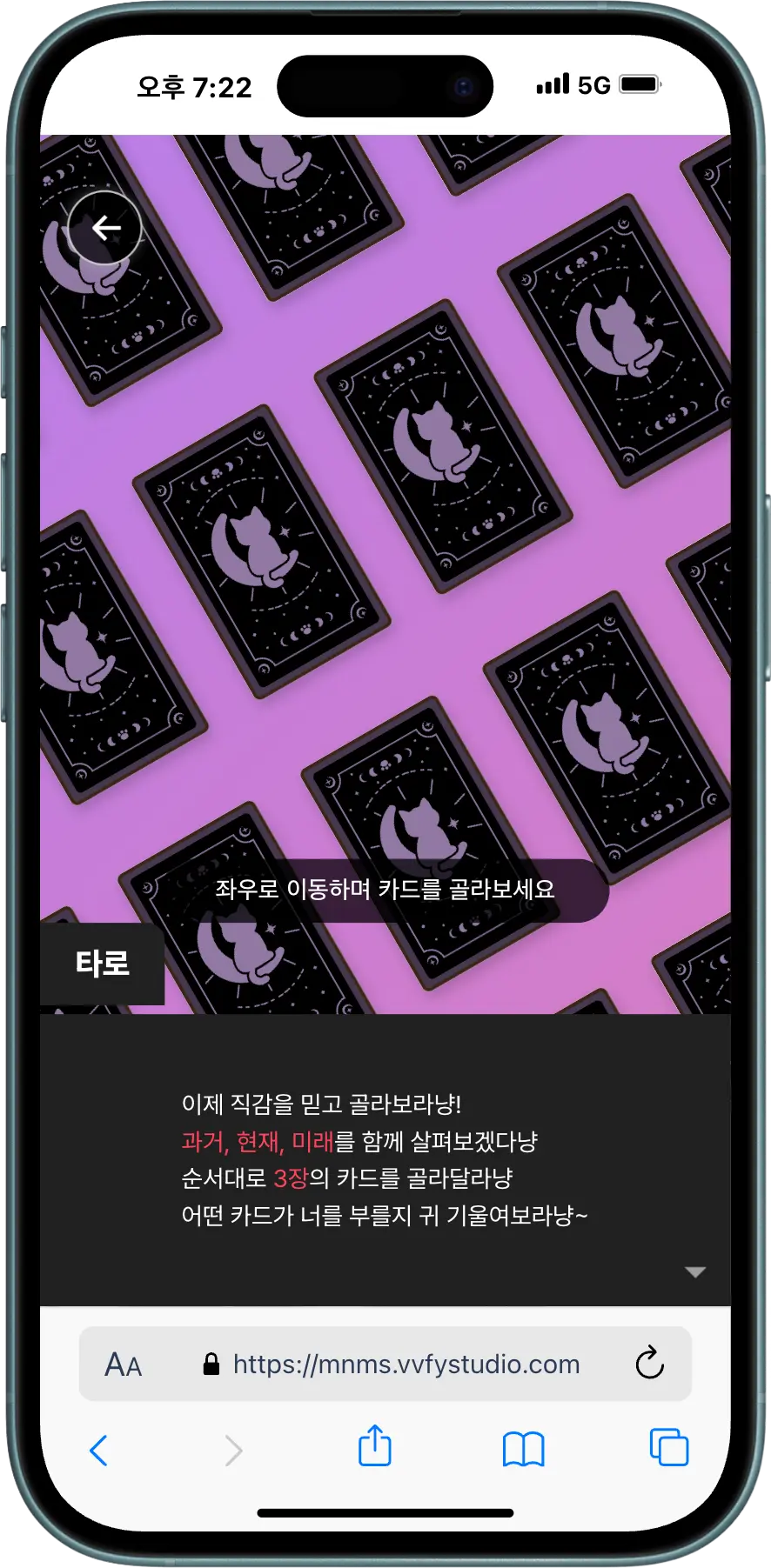
Why this case fits secure NFC is simple. Tarot isn't content you see once and forget — with today's worries, previous choices, and the cards you've collected, it becomes more personal the more it accumulates. With standard NFC you'd start each session as someone new to tarot, but with secure NFC, "the tarot records and card collection I've built with my keyring" become part of the content.
Marketing Experiences Possible With Secure NFC
Viewing secure NFC only as "access restriction" narrows its range of applications. The more important possibility lies in creating customer ownership and repeat use.
| Possible Experience | Value Customers Feel | Value Brands Gain |
|---|---|---|
| Personal goods home | Even the same URL starts with my state | Increased re-tagging and return visits |
| Name-remembering content | The feeling of continuing without re-explaining | Personalized messaging operations possible |
| Character growth | The character I've been raising is still there | IP loyalty strengthened |
| Personal record storage | Diary, fortune, consultation, selections accumulate | Repeat use data secured |
| Event scores / missions | My actions accumulate like a game | Participation rate and journey data secured |
| Digital collecting | The content I've collected stays | Seasonal operations and return visit design possible |
| On-site visit records | The experience of actually visiting becomes content | Popup / event performance measurable |
| Updateable content | The same goods feel fresh over time | Long-term campaign channel secured |
All of these experiences give customers the sense of "something only possible because I own this." That sense is ownership. And ownership outlasts a simple one-time benefit.
The Difference From a Data Perspective
When running an NFC project, what brands want to know isn't just raw view counts. They need to see whether this content was actually opened through an NFC product, at which points most tagging occurred, what buttons users pressed inside the screen, and whether any customers are tagging again — to design the next campaign.
Connecting standard NFC directly to an existing external URL makes this distinction difficult. If the NFC moves directly to a brand homepage or an already-public event page, it's hard to separate whether the person who entered actually tagged the keyring, copied the link, or came through search or SNS. While a basic analytics tool on an external site can show page views, it's difficult to confirm "entered through this NFC product" as entry data.
That said, it's not completely impossible for standard NFC. By recording a VVFY hub URL on the NFC instead of writing the external URL directly, then redirecting to the final destination, standard NFC can also confirm entry data such as tag count, daily traffic, device environment, per-product URLs, and per-campaign entry data. For projects where content needs to change later or the destination needs to be swapped seasonally, it's worth reviewing NFC Links Can Be Changed Even After Production together.
Secure NFC goes one step further. Because content is designed to be entered only through a tag, it's easier to clearly identify whether a user entered through a specific NFC product or specific tag point. Here, tag location data means not GPS coordinates, but closer to "which on-site point's NFC was tagged" or "which product line or configuration of NFC was used."
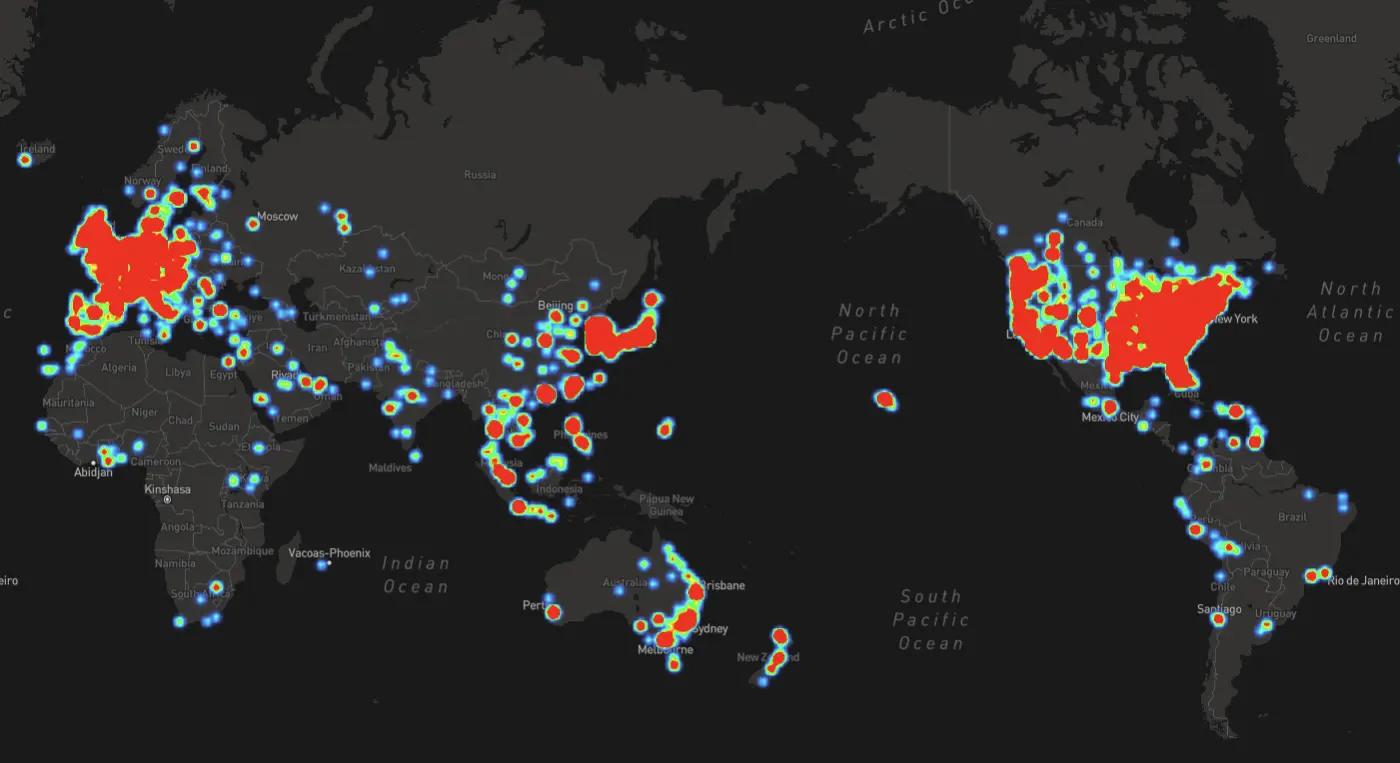 NFC content becomes data brands can act on when the behavior after tagging is also part of the design.
Secure NFC projects are also typically developed with VVFY STUDIO building the content together, so beyond simple access logs, customer behavior data inside the content can be designed.
| Data Type | What Can Be Tracked | How Brands Use It |
|---|---|---|
| Tag data | Tag count per product, re-tag frequency, tag points, time slots | Identify which goods and on-site points drove actual behavior |
| Content behavior | Button click rates, result sharing, coupon issuance, inquiry navigation, purchase link clicks | Determine which screens and CTAs lead to conversions |
| Participation state | Mission completion, scores, card collection, reward receipt, previous selections | Design personalized rewards and repeat participation structures |
| Input selection data | Gender, age group, interests, worry topics, preferred content | Analyze content response by customer segment for next campaign |
| Return visit data | Repeat tags from the same NFC, content revisits, seasonal usage flow | Determine whether goods are a one-time distribution or a long-term channel |
For fortune-telling content, for example, you can see which result content is opened most based on gender, age group, and interest topics that users have consented to share. For tarot content, you can see which cards are selected most often and what percentage of users revisit their card collection. For event content, you can see which tag points saw the most participation and which buttons led to coupon issuance or inquiries.
Of course, more data isn't automatically better. Requesting unnecessary personal information from customers lowers participation rates and increases operational risk. So data should be collected naturally within the content flow — with a clear purpose, like information needed for a fortune result, information needed for reward distribution, or information customers optionally leave to receive follow-up communications.
If you're considering CRM after the event, it's also worth reviewing NFC Event Data and CRM (Incomplete). The key isn't using NFC as a tool that only tracks tag counts — it's turning offline behavior and content response into operational data that feeds the next campaign.
How to Choose Between Standard NFC and Secure NFC
When choosing an NFC type, look at the nature of the content before the technology.
| Question | When Standard NFC Fits | When Secure NFC Fits |
|---|---|---|
| Who should the content be open to? | Everyone seeing the same screen is fine | State needs to differ per user within the same entry point |
| Do you need to remember users? | No need to remember | Names, records, scores, growth state need to carry over |
| Do you already have content? | Just connect to the existing URL | Needs to be designed together with a new data structure |
| Is there a reason to tag again? | Centered on content updates or information | Centered on personal records, scores, character growth, collecting |
| Do you want to see tag entry data? | Hub approach enables entry data tracking | Designed down to NFC product/point tags and in-content behavior |
| What effect does the brand want? | Fast information delivery, traffic, link changes during operation | Ownership, repeat use, loyalty, behavioral data |
Simply put:
- If you want to send to already-completed content: Standard NFC
- If you want to remember names, records, scores, and character state within the same content: Secure NFC
Neither is unconditionally better. Public content should open quickly as public content does, and owner experiences should carry state forward as owner experiences do.
Important Note: Development Scope Differs
Both standard NFC and secure NFC can have content developed. VVFY STUDIO can develop landing pages, product information pages, and event information pages that open via standard NFC, as well as personalized content, data storage, rewards, AI interactions, and dashboards based on secure NFC.
However, if you already have completed content and just need to link to that URL, standard NFC is appropriate. Secure NFC isn't simply an option for opening external pages — it's an approach where the physical tagged NFC, the database, and the user-specific state storage flow are all designed together.
So before reaching out, it helps to clarify the following:
- Is the content to show after tagging already available, or does it need to be developed?
- Is it fine for everyone to see the same screen?
- Does the screen and state need to differ per tagged NFC?
- Does a return tag need to retrieve previous records?
- Does data like nicknames, scores, diary, character settings, or rewards need to accumulate?
- Do you want to see in-content data like tag count, button click rates, conversion rates, and return visits?
- For standard NFC: decided between direct external URL or hub-managed operation?
- Is there a plan to continue running the content after the event ends?
Answering these questions naturally separates the direction toward standard NFC or secure NFC.
Conclusion: Secure NFC Gives Customers the Sense of "This Is Mine"
The core of secure NFC isn't complex security terminology. It's that the goods a customer owns become the key to content, and when they tag, an experience that remembers their previous self opens up.
Standard NFC connects quickly. Secure NFC remembers the state of the connected user. And when content is designed together with it, behavioral data after tagging becomes visible too. These differences make secure NFC powerful for projects where a relationship with customers needs to accumulate — character IP, AI content, diaries, fortunes, event scores, digital collecting, on-site rewards, and long-term campaigns.
If a brand wants to give customers not just an ordinary piece of merchandise but "an experience that's only possible because I own this," secure NFC becomes a very powerful option. Send your product form, quantity, existing content status, and the scope of data you'd like to store to VVFY STUDIO and we'll work through together which structure — standard or secure NFC — fits best.
Related Posts
- 2026 Complete Guide to NFC Keyring Production
- NFC Keyring Content Design: Building a Structure That Makes Customers Tag Again Daily
- NFC Event Design Through Google PLAYTIME 2025 Korea
- How Physical Goods Drive Offline Visits: DONDONZ NFC Popup Reward Strategy
- NFC Links Can Be Changed Even After Production
Shall we build your brand NFC project together?
Let's create something new for your brand with VVFY STUDIO.
Start a project consultation