2026 Complete Guide to NFC Keyring Production: Materials, Costs, Timelines & Content Strategy
Everything you need to know about NFC keyring production in 2026 — from what NFC is, how to make NFC keyrings, the difference between standard and secure NFC, material options, production timelines, and content planning. A complete guide to getting your brand ready to launch NFC goods.
What Is NFC?
NFC stands for Near Field Communication — a short-range wireless technology that exchanges information between devices held close together. The transit cards and mobile payment systems we use every day all run on NFC. The key feature is that it works instantly just by bringing devices close together, without opening an app or a camera. It comes built into most smartphones, so anyone can use it immediately without any additional setup.
Hold a smartphone close to the NFC tag and it responds instantly — no app required.
So What Is an NFC Keyring?
An NFC keyring is a piece of merchandise with an NFC chip embedded inside. It looks identical to a regular keyring on the outside, but the moment you hold your smartphone near it, it instantly connects to wherever the brand has designated. No app installation. No QR scanning. Just hold your phone to the keyring.
Until now, brands have had two main ways to communicate with customers: through the physical design and form of their merchandise, or digitally through websites and apps. The problem is that these two worlds operate separately. Unless the person who receives the merchandise actively searches for the site or opens the app, the message the brand prepared never gets through.
NFC keyrings bridge these two worlds. The goods in your hand become a direct gateway to brand content — event entries, recipes, artist messages, memberships, app deep links, SNS channels — whatever content the brand wants to show is directly connected to the merchandise. The goods themselves become the shortest path between the brand and the customer.
So Why Make NFC Keyrings?
It's not simply about creating a gimmicky piece of merchandise. NFC keyrings function as a channel that repeatedly connects the brand with customers, long after the goods have been distributed. While ordinary merchandise ends up as a desk ornament, an NFC keyring calls the brand back every time the customer reaches for it.
In the process, customers open the content themselves without additional ad spend, and data about who tagged it, when, and where is recorded. Even after a campaign ends, that data becomes the basis for the next initiative — transforming merchandise from a one-time marketing expense into a repeatedly usable brand asset.
That's why the first question VVFY STUDIO asks in every NFC goods project is: "Does the person who receives this goods have a reason to tag it again?" Only when that question can be answered does a piece of merchandise become more than a one-time souvenir — it becomes a living channel. And the answer ultimately comes down to one thing: content.
Content Is the Core
The value of an NFC keyring is determined not by the chip or the form, but by what opens after tagging. The same acrylic keyring might be tagged once and forgotten if it links to a simple homepage, but if it connects to a daily fortune reading, a recipe, or a character message that changes each time, customers will voluntarily tag it again. Content planning determines the lifespan of the goods.
Content typically falls into one of five structures:
| Content Structure | Best Suited For | NFC Type |
|---|---|---|
| Simple Landing | Campaign info, brand intro, SNS links, YouTube | Standard NFC |
| Repeating Content | Recipes, daily fortunes, recommendations, daily messages | Standard or Secure NFC |
| Event Mission | Popup booth tours, scavenger hunts, entries | Secure NFC recommended |
| Archive | Concerts, fandom, brand history | Secure NFC recommended |
| VIP / Membership | Exclusive content, authenticity verification, private messages | Secure NFC recommended |
This naturally leads to one key decision: should the content be open to everyone, or only to people who own the goods? This single question determines the type of NFC chip to use.
Standard NFC — The Shortest Path to Content You Already Have
Brands already have content they want more people to see. Promotional pages, event announcements, new product introductions, brand videos, official SNS channels, and purchase pages — content that needs to reach customers quickly.
Standard NFC eliminates the friction of customers having to search or follow a link. Holding a smartphone to the merchandise instantly connects to the brand's prepared content, making it the simplest touchpoint for bridging offline merchandise with online campaigns.
If you already have content to show and the goal is to deliver it quickly to as many people as possible, standard NFC is the right fit.
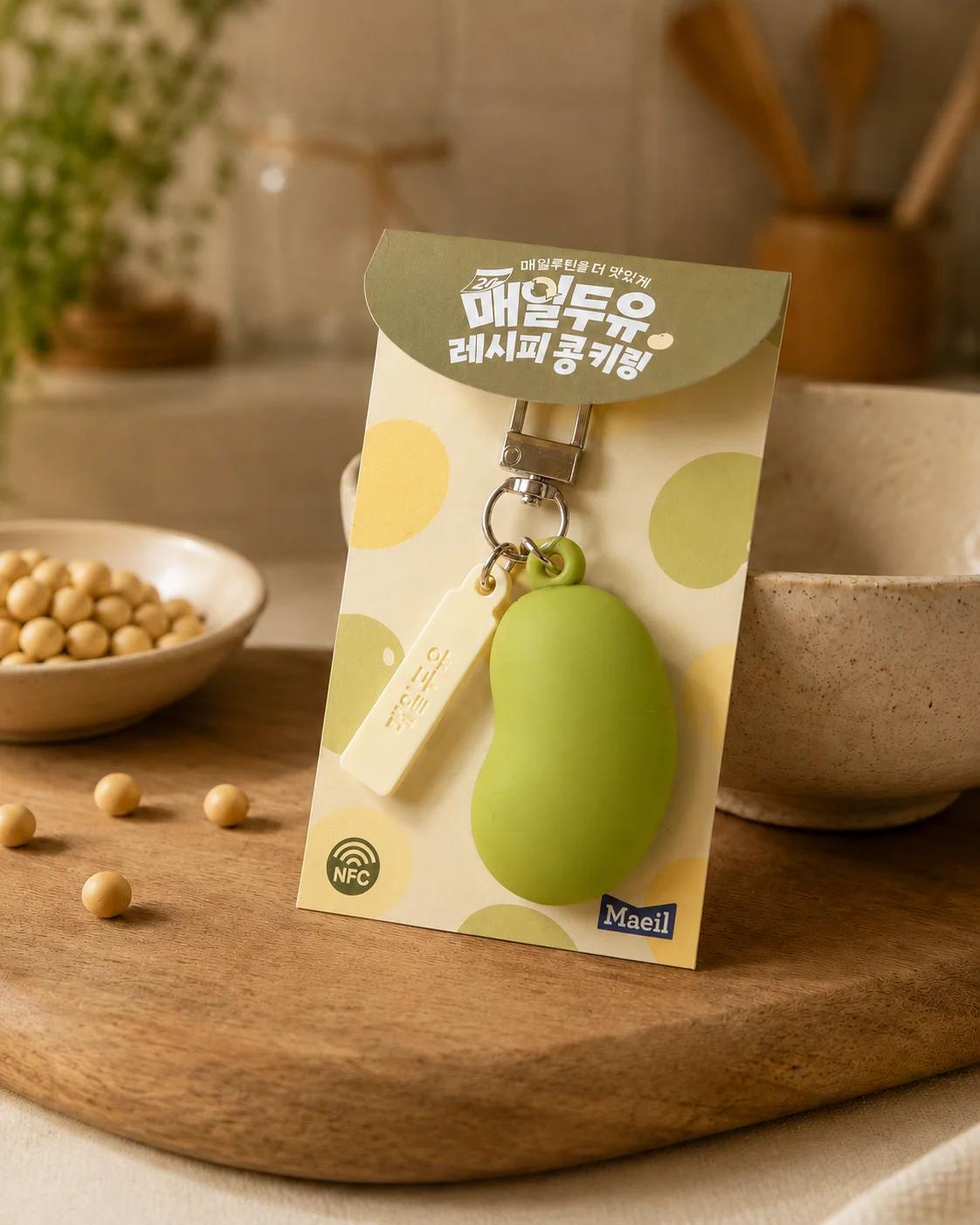
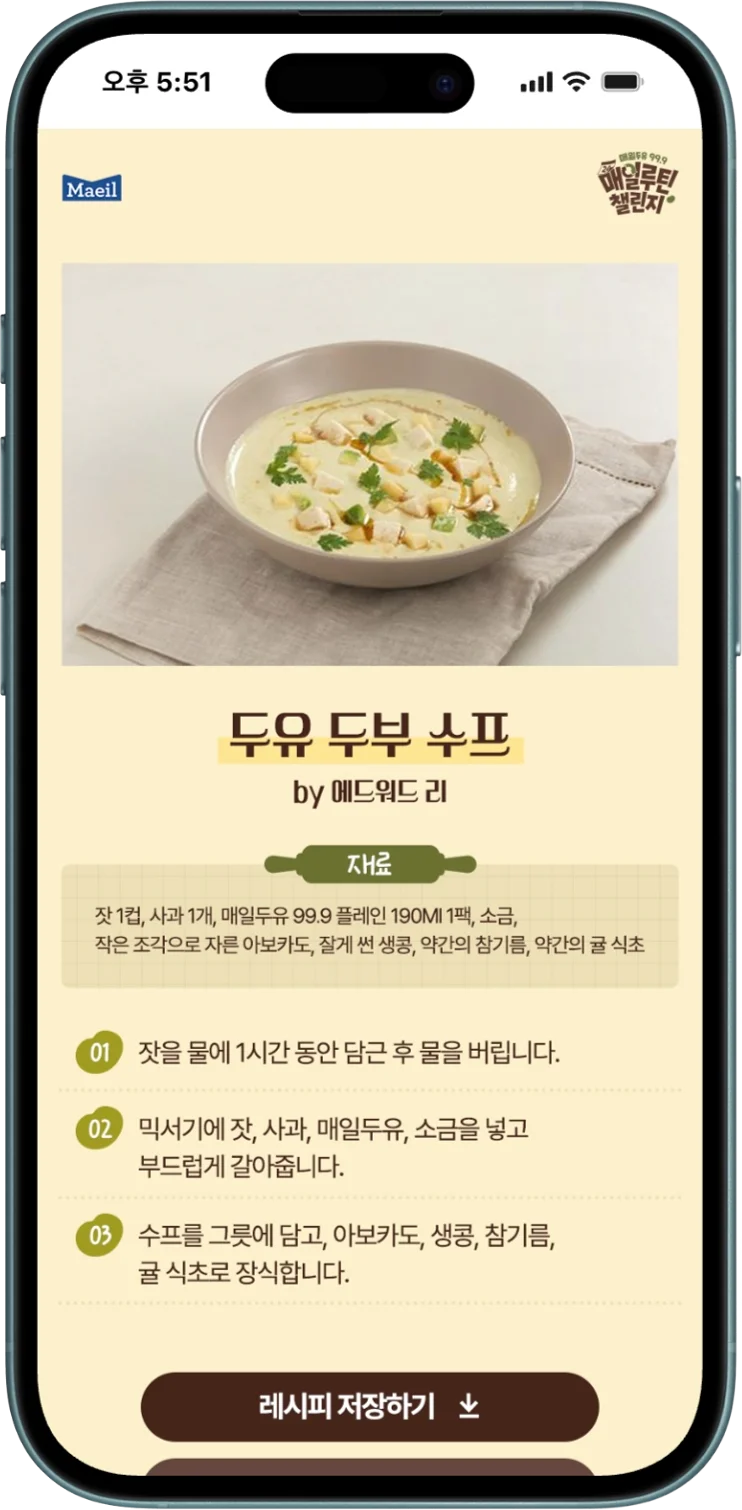
The Maeil Soy Milk PVC keyring is a standard NFC piece that shows a different soy milk recipe every time it's tagged.
Secure NFC — Content That Opens Only for the Owner
Secure NFC is designed not just to open a URL, but to ensure only the person who tags the NFC can access the content. Because a one-time authentication value is sent with each tag, the URL cannot be copied or shared to gain the same access.
This approach is ideal for content you want to show only to the person who owns the goods: limited messages, fan-exclusive content, VIP packages, on-site exclusive events, and authenticity verification — experiences where ownership itself becomes the credential.
Secure NFC also allows user identification based on the NFC rather than treating every visit as new. Without an actual login, it can carry forward nicknames, participation history, and saved content based on the chip's unique value. In other words, the act of tagging the goods itself becomes the experience of logging in to the content.
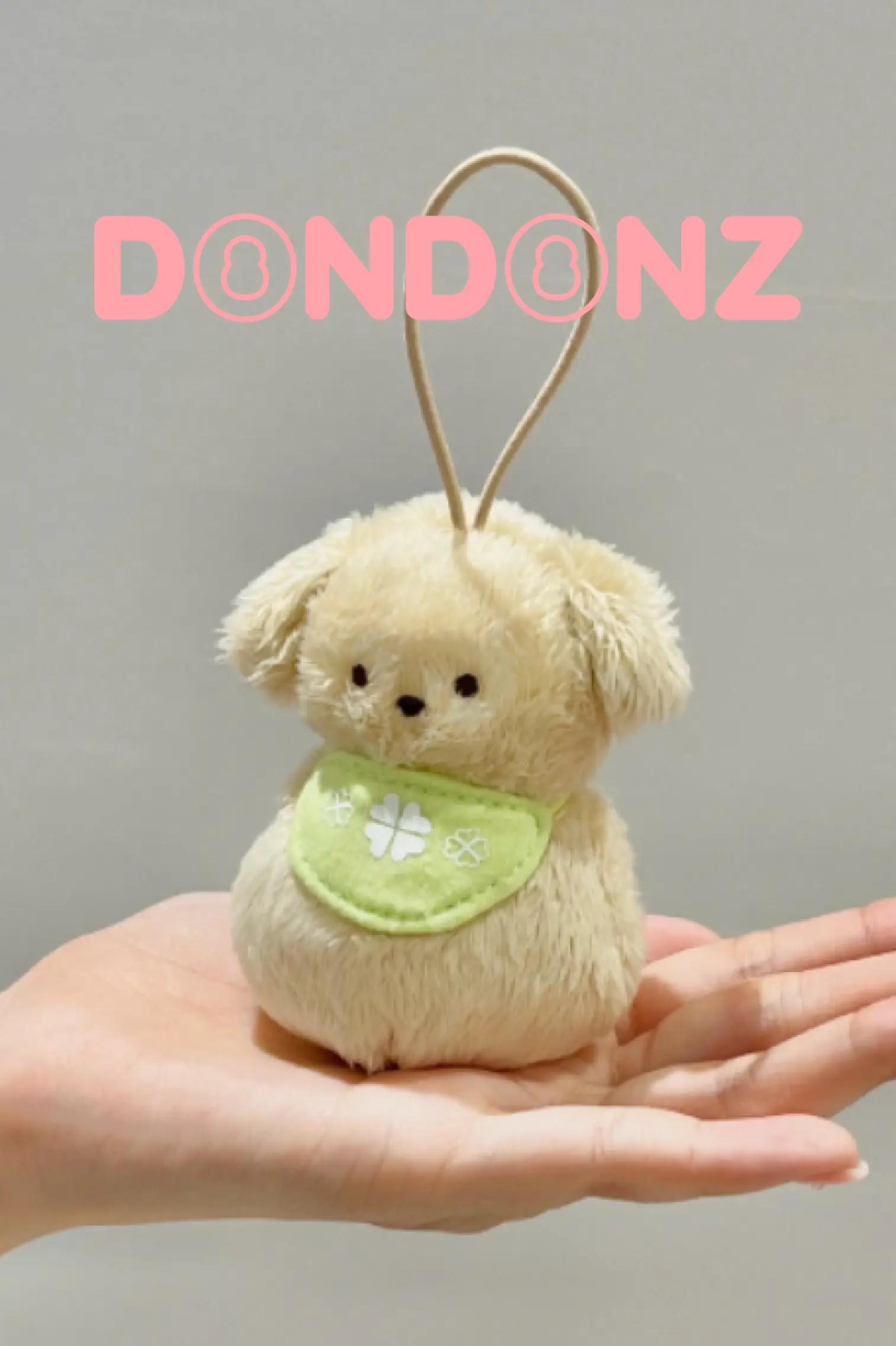
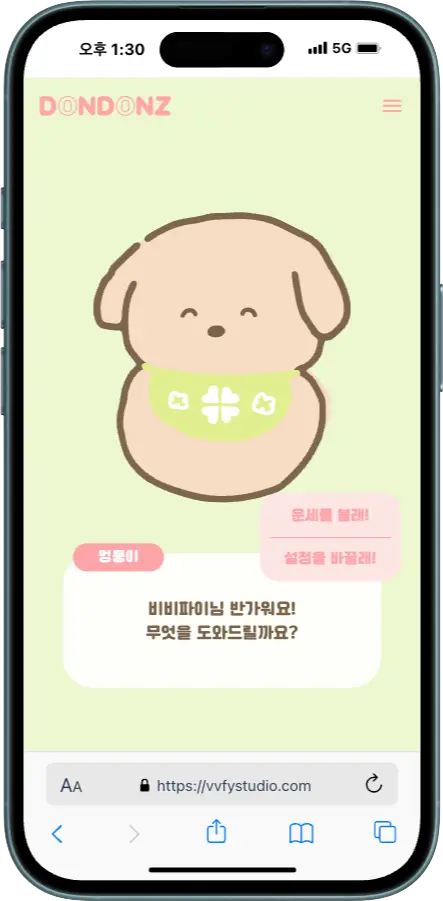
DONDONZ Lucky Doll. It remembers its owner and stores existing settings and records in the doll.
| Standard NFC | Secure NFC | |
|---|---|---|
| Access Method | Tags directly to designated content | Authenticates with every tag to access content |
| URL Sharing | Link can be shared and re-accessed | Sharing the URL doesn't grant the same access |
| Content Audience | Public content anyone can benefit from | Content restricted to goods owners |
| User Identification | No separate user identification | Users can be identified based on the NFC |
| Data Integration | Connection-focused | Nicknames, participation history, saved content, etc. |
| Best For | Promotions, campaigns, event info, brand video, purchase pages | VIP content, fan exclusives, on-site events, authentication, membership |
If it's content that's better for everyone to see, standard NFC is sufficient — promotions, campaign info, brand videos, and purchase pages where reaching more people faster is the priority. Conversely, if you want content restricted to goods owners, need to prevent URL sharing, or need to carry forward user-specific data like nicknames or participation history, secure NFC is more appropriate.
For a deeper dive into the technical differences and selection criteria, see Secure NFC vs Standard NFC. For content planning patterns, see NFC Keyring Content Design: Building a Structure That Makes Customers Tag Again Daily.
Form and Material Follow the Content
Once content is defined, the form and material of the goods become much easier to decide. NFC chips are thin enough to fit in almost any type of merchandise, but which form works best ultimately depends on the nature of the content.
If the content is informational and meant to be seen once, a form that's easy to distribute widely makes sense — acrylic and epoxy keyrings work well here with their strong color reproduction and suitability for mass production. If the content is something customers will want to tag daily, then having a form that fits naturally in everyday life matters — plush figures or character PVC that are comfortable to hold and sit naturally on a desk. If you want the goods to embody a brand world or a specific concept, the form itself needs to deliver the message first. Choosing a form like a CD-style where the concept lives in the shape, or leather where the material itself creates weight and presence, changes the expectation from the moment the goods are received.
| Content Type | Best Form | Reason |
|---|---|---|
| Simple info / campaigns | Acrylic, Epoxy | Easy for mass distribution, sharp print reproduction |
| Repeating content (daily tagging) | Plush, Character PVC | Fits naturally in daily life, encourages re-tagging |
| Character / IP goods | PVC / Silicone, Plush | Specialized for 3D and character expression |
| Music / archive / concept goods | CD-style, Card-style | Concept is communicated through the form |
| Brand novelty / gifts | Leather | The material itself creates weight and anticipation |
Breaking it down by form:
| Form | Characteristics | Ideal Concept |
|---|---|---|
| Acrylic Keyring | Sharp color reproduction, suitable for mass production | Campaigns, commemoratives, popup goods |
| Epoxy Keyring | Coating gloss keeps print colors vivid | Brand goods, commemoratives |
| PVC / Silicone Keyring | Mold-based 3D form possible | Character / product motif goods |
| CD / Card-style | Concept and collectability embedded in the form | Music, concerts, archive goods |
| Plush Figure | High everyday contact and collectability | Character IP, mascots, brand figures |
| Leather Keyring | Material itself creates weight and refinement | Premium novelty, gift goods |
Seeing real examples makes the connection between content and form even clearer.
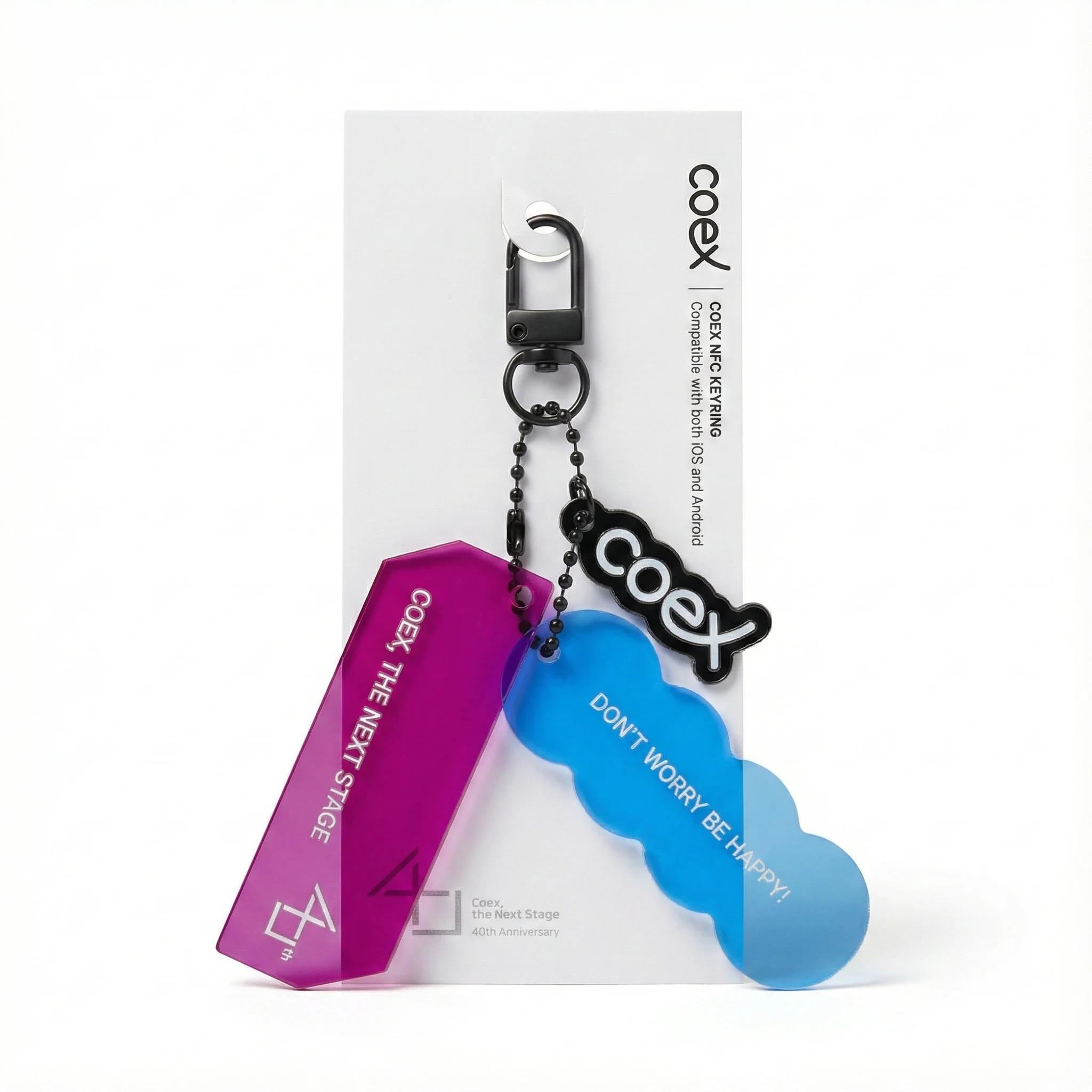
COEX 40th Anniversary Keyring
Goods that directly deliver the 40th anniversary campaign page to on-site attendees. Because it needed to be accessible from outside as well, standard NFC — open to anyone — was the right choice.
Maeil Soy Milk Recipe Keyring
Repeating content that reveals a new soy milk recipe with each tag. Since recipes are content anyone is welcome to see, standard NFC with open access was the right structure.
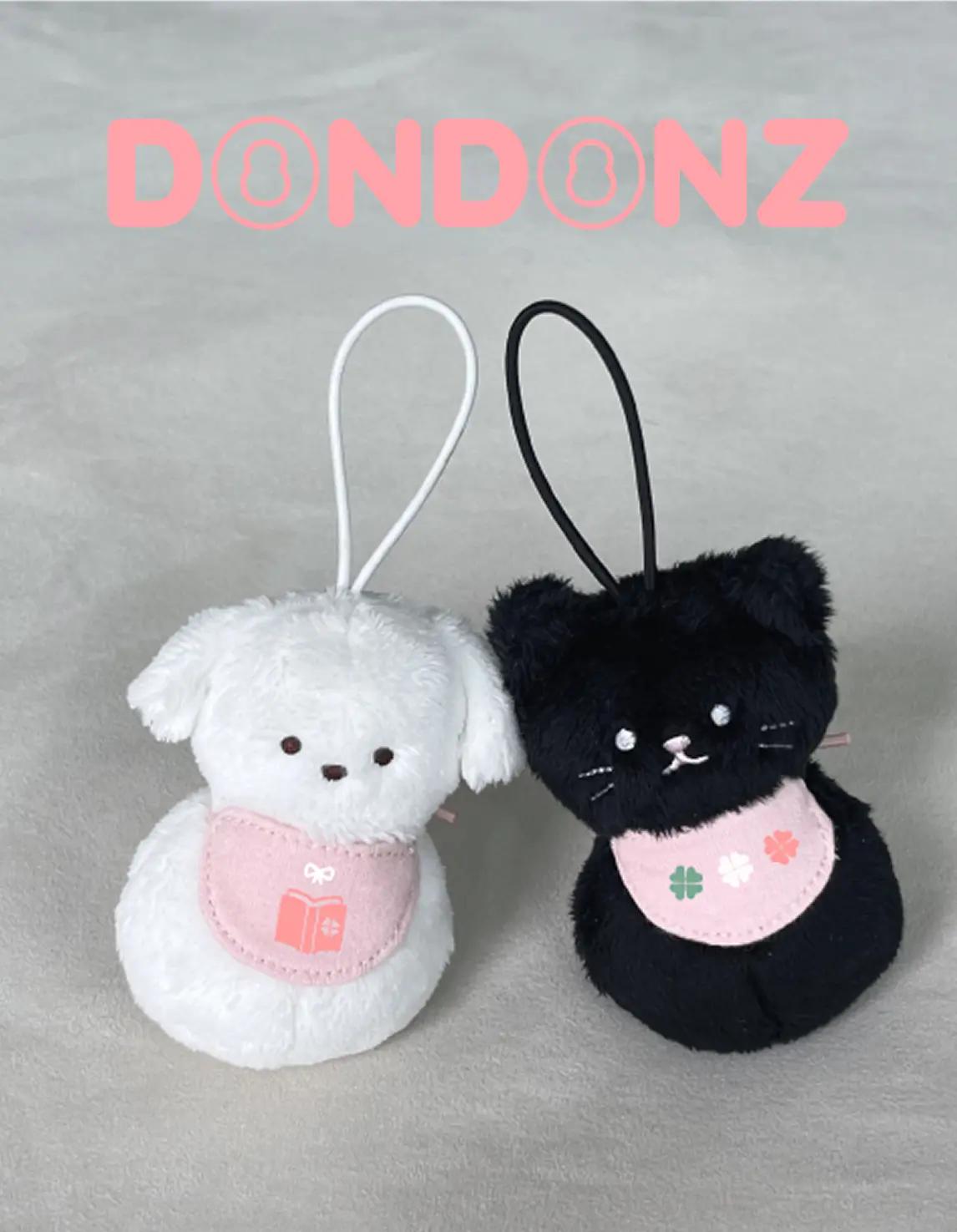
DONDONZ Diary Plush Doll
The content remembers its owner's diary and personal information, so external access had to be blocked. Secure NFC was applied so that only the person holding the genuine goods can enter the content.
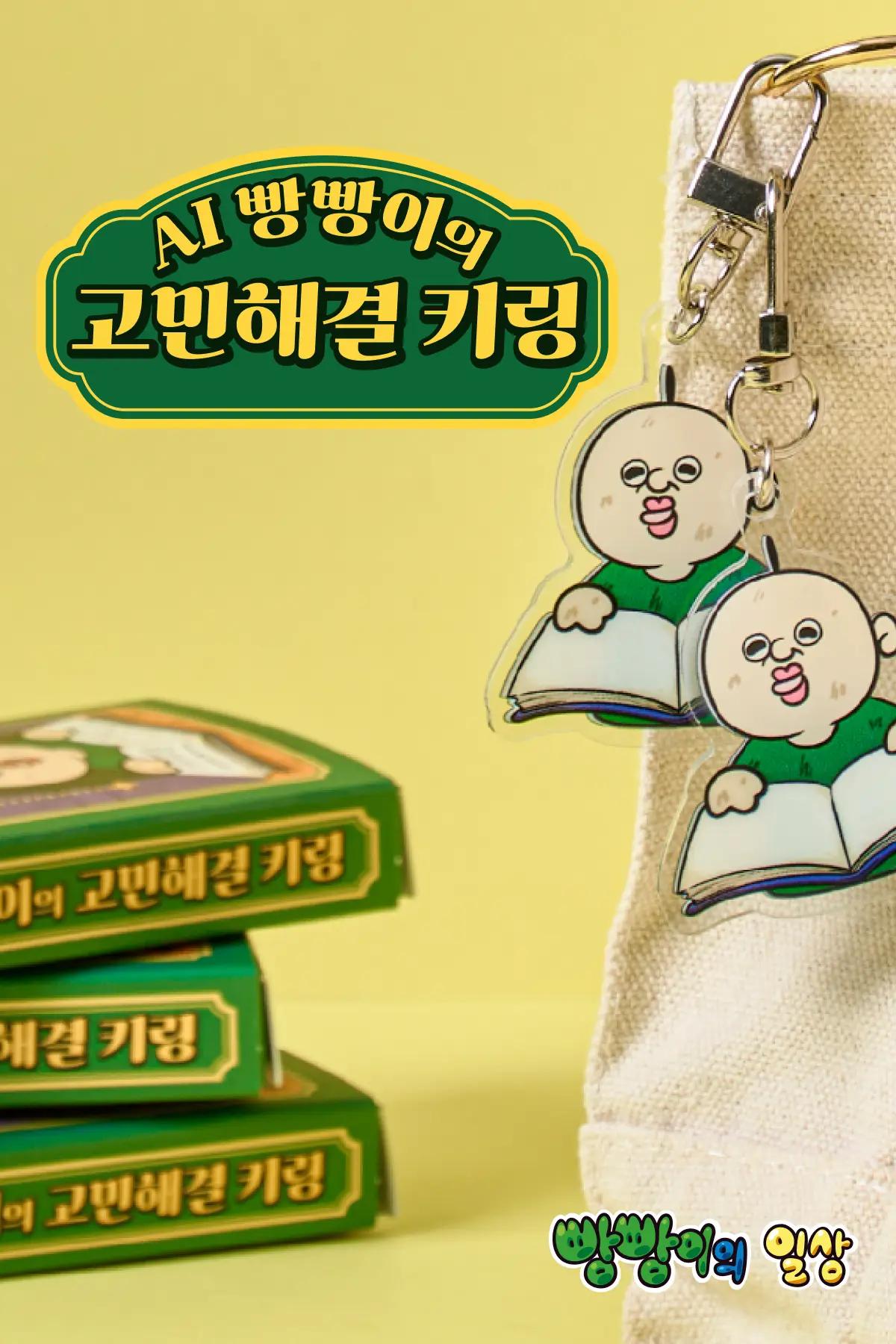
B2ANG Worry Resolver Keyring
Remembers the owner's worries and responds via voice AI. Because AI generation costs are incurred, secure NFC restricts access to goods owners only.
Production Process at a Glance
Once content direction and product form are settled, the actual production phase begins. Making an NFC keyring isn't simply inserting a chip into merchandise — it's building a structure where a physical product and digital content are connected together.
- Define the Objective — Determine what marketing purpose it will serve: campaign info, brand promotion, new product introduction, character IP content, fan engagement events, purchase conversion, on-site promotions.
- Decide Product Specifications — Material, size, printing method, finishing, packaging, and quantity.
- Choose NFC Type — Standard NFC (open access) or secure NFC (tag-authenticated access).
- Design Content Structure — What page opens after tagging, whether to link to an existing URL or create new content, and whether changes will be needed during operation.
- Sample Production and Tag Testing — Test recognition position, packaging interference, and user flow on actual smartphones.
- Mass Production and Encoding — Produce goods to the confirmed specs and write the URL to the NFC chip.
- Delivery and Operation — After delivery, manage content connection, link updates, and data monitoring to meet campaign objectives.
The structure is straightforward, but doing it well is another matter. NFC chips can vary in recognition sensitivity depending on the product's material, thickness, metal hardware, and packaging structure. Even for an acrylic keyring, the tag position can differ based on print surface, chip placement, and hardware position. For plush figures or 3D goods, the filling thickness and insertion position need to be considered at the product design stage. That's why the sample stage isn't just about reviewing the product — it's about verifying how an actual user would hold it and tag it.
Content operation method also needs to be decided together. For both standard and secure NFC goods developed with VVFY STUDIO, content can be modified or replaced during operation. However, for standard NFC linked directly to an external URL, it's difficult to change the recorded link itself after production — so if there's a possibility of changing the destination during operation, using a hub approach is recommended.
With the hub approach, the NFC records VVFY STUDIO's hub URL, and the final destination link can be changed during operation. For example, starting with a campaign page connection, then switching to a purchase page or seasonal content later. It also allows monitoring data such as the number of users who actually accessed via NFC, their device environment, and daily access patterns — making it more useful for operation and analysis than a simple link connection.
| Production Type | Recommended Lead Time | Key Things to Check |
|---|---|---|
| Acrylic / Epoxy NFC Keyring | ~3 weeks | Design finalization, sample colors, tag position, packaging |
| PVC / Silicone / Special Mold Keyring | 2 months | Mold, 3D thickness, color matching, number of sample revisions |
| Plush Figure NFC | 2–3 months | Turnaround images, fabric, embroidery, NFC insertion position |
| CD / Card-style VIP Goods | ~3 weeks | Print surface, packaging, content launch schedule |
| Events | (Negotiable) | Admin features, reward conditions, privacy consent, on-site testing |
Exact timelines vary depending on design finalization, number of sample revisions, and content development scope. If you have a fixed deadline, let us know at the inquiry stage and we'll calculate the product manufacturing and content development schedules together.
Brands need to prepare three things: the design, the quantity, and what to show after tagging. Once those three are settled, VVFY STUDIO will work with you to define the product specifications, NFC type, and content connection structure.
What Determines the Cost?
NFC keyring costs break down into three main categories: product manufacturing, NFC implementation method, and content connection method. Even for the same quantity of keyrings, the quote will differ based on what material is used, whether it's a simple URL connection, or whether separate content development is needed.
1. Product Specifications
The most fundamental items are the product specifications themselves.
- Material: acrylic, epoxy, PVC, silicone, plush, card, etc.
- Size and form
- Single / double-sided printing
- Finishing method
- Hardware components
- Packaging specifications (OPP bag, insert, box, etc.)
- Production quantity and number of sample revisions
Larger quantities can lower the unit cost, but products requiring molds or special production may incur separate initial preparation costs.
2. NFC Implementation Method
How the NFC is used also affects costs.
- Standard NFC: Direct link to existing URL or campaign page
- Standard NFC + Hub: Ability to change the final destination link during operation and monitor access data (NFC Links Can Be Changed Even After Production)
- Secure NFC: URL sharing prevention, tag authentication, user identification, participation history storage
A simple page-redirect structure is relatively straightforward, but if user-specific data needs to be remembered or access authorization needs to be verified, development scope increases accordingly.
3. Content Development Scope
How far to develop the content that opens after tagging is also a key factor.
- Simply linking to an existing page
- Creating a new landing page
- Operating repeating content that changes daily (messages, fortunes, recipes)
- Requiring event participation, stamps, rewards, or lottery features
- Needing an admin page or data monitoring functions
Whether it's a page viewed once or content with a reason for users to tag again determines the design scope significantly.
In practice, starting with "what experience should open when tagged" rather than "how many keyrings to make" leads to more accurate quotes.
What to Prepare Before Inquiring
Everything doesn't need to be finalized when you first reach out. However, having the following items ready allows for more accurate guidance on product specifications, production timelines, and content scope.
- Design file or reference images (AI, PDF, PSD, PNG, etc.)
- Desired product size, form, single/double-sided preference
- Production quantity and desired delivery date
- Preference between standard NFC / secure NFC
- Content direction for after tagging:
- URL to connect to if a page already exists
- Purpose of the content you want to create if no page exists yet
- E.g., campaign info, brand introduction, product purchase page, fan messages, event entries, repeating content like fortunes or recipes
- Content operation method (one-time / seasonal updates / ongoing / user-specific data integration)
- Packaging configuration
- Whether overseas use is needed
If you already have content to show, just sharing the URL is enough. If there's no page yet or it's difficult to develop internally, VVFY STUDIO can develop the landing page or campaign content that opens after tagging together with the goods production.
If direction hasn't been decided yet, just sharing "what you're trying to accomplish" is enough. Based on the usage purpose — campaign info, brand promotion, fan engagement events, purchase conversion, on-site promotions — we'll help work out the product specs and NFC approach together.
For plush figures or character 3D products, having front / side / back reference images, expression and embroidery details, reference size, and thoughts on NFC insertion position enables more accurate review.
Conclusion: Creating a "Gateway to the Brand," Not Just a Keyring
The essence of NFC keyring production isn't the technology of inserting a chip — it's building a structure where customers repeatedly reconnect with the brand through goods they hold in their hands.
- If you want to open the content to anyone: Standard NFC
- If you want to open it only to people who own the goods: Secure NFC
Once those two are clear, the rest resolves into a combination of materials and content forms. Browse product forms at NFC Keyring Products, and once your project purpose, quantity, and timeline are organized, send them to VVFY STUDIO and we'll propose a content strategy along with the goods.
Related Posts
- Secure NFC vs Standard NFC: The Owner Experience Where Tagging Works Like a Login
- NFC Keyring Content Design: Building a Structure That Makes Customers Tag Again Daily
- NFC Event Design Through Google PLAYTIME 2025 Korea
- How Physical Goods Drive Offline Visits: DONDONZ NFC Popup Reward Strategy
- NFC Links Can Be Changed Even After Production
Shall we build your brand NFC project together?
Let's create something new for your brand with VVFY STUDIO.
Start a project consultation